Standardized inspection procedures transform chaotic workflows into streamlined operations, enabling organizations to achieve consistency, reduce errors, and boost overall productivity across every inspection task.

🔍 The Foundation of Operational Excellence Through Standardization
In today’s competitive business landscape, organizations face mounting pressure to deliver quality results while maintaining operational efficiency. Standardized inspection procedures serve as the backbone of successful quality management systems, providing a structured framework that eliminates guesswork and ensures every team member follows the same proven methodology.
When inspection processes lack standardization, businesses encounter numerous challenges. Different inspectors may interpret requirements differently, leading to inconsistent results. Documentation becomes fragmented, making it difficult to track trends or identify recurring issues. Training new employees becomes time-consuming and expensive, as there’s no clear reference point for best practices.
Standardization addresses these pain points by creating a unified approach to inspections. It establishes clear expectations, defines specific criteria, and provides repeatable processes that deliver reliable results regardless of who performs the inspection. This consistency forms the foundation for continuous improvement and long-term operational success.
📊 Measurable Benefits That Drive Business Growth
Organizations that implement standardized inspection procedures experience tangible improvements across multiple dimensions. The benefits extend far beyond simple process consistency, creating value throughout the entire operation.
Enhanced Quality Control and Defect Reduction
Standardized procedures ensure that inspectors examine every critical component systematically. This comprehensive approach catches potential issues before they escalate into costly problems. Organizations typically see defect rates drop by 30-50% within the first year of implementing standardized inspections.
The structured nature of standardized procedures also improves early detection of quality issues. When everyone follows the same checklist and evaluation criteria, patterns emerge more quickly, allowing teams to address root causes rather than treating symptoms.
Time Savings and Productivity Gains
Efficiency improvements represent another significant advantage. Standardized procedures eliminate unnecessary steps and reduce the time inspectors spend determining what to check next. Clear guidelines mean less hesitation and faster decision-making.
Teams operating with standardized procedures typically complete inspections 25-40% faster than those using ad-hoc methods. This time savings allows organizations to increase inspection frequency without adding staff, leading to better overall quality monitoring.
Improved Compliance and Risk Management ⚖️
Regulatory compliance becomes more manageable when inspection procedures follow standardized formats. Documentation is consistent, making audits smoother and reducing the risk of non-compliance penalties. Organizations can demonstrate due diligence more effectively when they maintain detailed records generated through standardized processes.
Risk mitigation extends beyond regulatory concerns. Standardized inspections help identify safety hazards consistently, reducing workplace accidents and potential liability issues. Insurance providers often recognize this risk reduction through favorable premium adjustments.
🏗️ Building Effective Standardized Inspection Procedures
Creating effective standardized procedures requires thoughtful planning and stakeholder involvement. The goal is developing processes that are comprehensive yet practical, detailed yet flexible enough to accommodate different situations.
Identifying Critical Inspection Points
Begin by mapping out your inspection workflow from start to finish. Identify every component, system, or area that requires examination. Engage experienced inspectors in this process—they understand which elements are most critical and which issues occur most frequently.
Prioritize inspection points based on their impact on safety, quality, and operational continuity. Not all checkpoints carry equal weight, and your standardized procedures should reflect these priorities through appropriate emphasis and documentation requirements.
Developing Clear Criteria and Standards
Vague inspection criteria lead to inconsistent results. Each checkpoint in your standardized procedure should include specific, measurable criteria that leave minimal room for interpretation. Instead of “check for damage,” specify “examine for cracks exceeding 2mm in length, corrosion penetrating beyond surface layer, or deformation greater than 5 degrees from original specifications.”
Use visual aids whenever possible. Photographs, diagrams, and reference samples help inspectors understand exactly what they’re looking for. This visual documentation proves especially valuable during training and serves as an ongoing reference resource.
Creating Accessible Documentation
Standardized procedures are only effective if inspectors can easily access and follow them. Documentation should be clear, concise, and organized logically. Consider these elements:
- Step-by-step instructions presented in chronological order
- Clear headings and subheadings for easy navigation
- Visual elements that complement written instructions
- Quick reference guides for experienced inspectors
- Detailed explanations for complex procedures
- Version control to ensure everyone uses current procedures
📱 Technology’s Role in Modern Inspection Standardization
Digital tools have revolutionized how organizations implement and manage standardized inspection procedures. Modern inspection software eliminates paper-based processes, reduces administrative burden, and provides real-time visibility into inspection activities.
Digital Checklists and Mobile Applications
Mobile inspection applications bring standardized procedures directly to the point of work. Inspectors access digital checklists on smartphones or tablets, following standardized workflows with built-in guidance. These applications often include features like photo capture, barcode scanning, and automatic timestamp recording.
The digital format ensures everyone uses the most current version of inspection procedures. When updates are necessary, changes propagate instantly across all devices, eliminating the confusion that occurs when multiple versions of paper checklists circulate simultaneously.
Automated Reporting and Analytics
Digital inspection systems automatically compile data from completed inspections, generating reports without manual data entry. This automation saves significant time while improving accuracy. Organizations gain immediate visibility into inspection results, identifying trends and patterns that might otherwise go unnoticed.
Advanced analytics capabilities enable predictive maintenance strategies. By analyzing inspection data over time, organizations can anticipate potential failures before they occur, scheduling maintenance during planned downtime rather than responding to unexpected breakdowns.
Integration with Existing Systems
Modern inspection software integrates with enterprise resource planning (ERP) systems, computerized maintenance management systems (CMMS), and other business applications. This integration creates seamless workflows where inspection results automatically trigger work orders, inventory requests, or quality alerts.
Integration eliminates duplicate data entry and reduces the risk of information getting lost between systems. Maintenance teams receive immediate notifications when inspections identify issues requiring attention, accelerating response times and preventing minor problems from escalating.
👥 Training Teams for Consistent Implementation
Even the most well-designed standardized procedures fail without proper training. Organizations must invest in comprehensive training programs that ensure every inspector understands not just what to do, but why each step matters.
Structured Onboarding Programs
New inspectors need structured training that builds competence progressively. Start with classroom instruction covering the theory behind inspection procedures and the rationale for standardization. Follow this with hands-on practice under supervision, gradually increasing complexity as inspectors demonstrate proficiency.
Mentorship programs pair new inspectors with experienced colleagues, providing ongoing support during the transition to independent work. This approach transfers institutional knowledge while ensuring consistency in how procedures are interpreted and applied.
Ongoing Skills Development
Training shouldn’t end after initial onboarding. Regular refresher sessions help maintain consistency and address any procedural drift that may occur over time. These sessions also provide opportunities to introduce procedure updates and gather feedback from experienced inspectors about potential improvements.
Cross-training inspectors on different types of inspections builds organizational flexibility while reinforcing standardized methodologies. Inspectors who understand multiple inspection types often identify improvement opportunities that those focused on single processes might miss.
Performance Monitoring and Feedback
Regular performance reviews ensure inspectors continue following standardized procedures correctly. These reviews should be constructive, focusing on continuous improvement rather than punitive measures. When deviations from standards occur, investigate the root cause—sometimes the procedure needs refinement rather than the inspector needing correction.
🔄 Continuous Improvement and Procedure Evolution
Standardized procedures shouldn’t remain static. Markets evolve, technology advances, and organizations learn from experience. Building continuous improvement into your standardization process ensures procedures remain relevant and effective.
Establishing Feedback Mechanisms
Create formal channels for inspectors to suggest procedure improvements. Those performing inspections daily often identify inefficiencies or missing elements that weren’t apparent during initial development. Regular feedback sessions or digital suggestion systems capture this valuable frontline insight.
Analyze feedback systematically, looking for patterns that indicate systemic issues rather than isolated preferences. When multiple inspectors identify the same challenge, it signals an opportunity for meaningful improvement.
Periodic Procedure Reviews
Schedule regular reviews of standardized procedures, even when no specific issues have been identified. Annual or semi-annual reviews ensure procedures reflect current best practices, incorporate lessons learned, and align with any changes in regulatory requirements or organizational objectives.
Include diverse stakeholders in review processes. Inspectors, supervisors, quality managers, and even maintenance technicians bring different perspectives that result in more comprehensive, practical procedures.
Measuring Effectiveness Through Key Metrics
Establish key performance indicators (KPIs) that measure how well standardized procedures are working. Track metrics such as:
- Inspection completion time trends
- Defect detection rates by inspector and location
- Variation in inspection results between different inspectors
- Compliance rates with procedure completion
- Rework or reinspection requirements
- Trending of common issues identified through inspections
These metrics provide objective evidence of standardization success and highlight areas requiring attention. They also demonstrate the value of standardized procedures to organizational leadership, securing ongoing support and resources.
🎯 Overcoming Common Implementation Challenges
Organizations frequently encounter obstacles when implementing standardized inspection procedures. Anticipating these challenges and preparing appropriate responses increases the likelihood of successful adoption.
Resistance to Change
Experienced inspectors sometimes resist standardization, viewing it as questioning their expertise or limiting their professional judgment. Address this resistance through inclusive development processes that value their input. Emphasize that standardization doesn’t eliminate professional judgment—it ensures that judgment is applied consistently to the same factors every time.
Demonstrate the benefits standardization provides to inspectors themselves: clearer expectations, better support when questions arise, and protection against unfair criticism when following established procedures.
Balancing Detail with Usability
Procedures that are too detailed become cumbersome and slow down inspections. Procedures that are too general fail to provide the consistency standardization promises. Finding the right balance requires testing procedures in real-world conditions and adjusting based on practical experience.
Consider creating tiered documentation: quick reference guides for routine inspections, detailed procedures for complex or infrequent tasks, and supplementary materials providing background information and troubleshooting guidance.
Maintaining Momentum After Initial Implementation
Initial enthusiasm for standardized procedures sometimes wanes after launch. Combat this drift through consistent reinforcement of expectations, regular recognition of excellent adherence to standards, and visible management commitment to the standardization initiative.
Share success stories that demonstrate how standardized procedures prevented problems, saved time, or improved quality. These narratives make the abstract benefits of standardization concrete and memorable.
💡 Industry-Specific Applications and Success Stories
Standardized inspection procedures deliver value across diverse industries, though specific applications vary based on industry requirements and risk profiles.
Manufacturing Sector Excellence
Manufacturing operations rely heavily on standardized inspections to maintain product quality and equipment reliability. Automotive manufacturers use standardized procedures to inspect components at multiple production stages, ensuring defects are caught before assembly. This approach has helped leading manufacturers achieve defect rates below 10 parts per million.
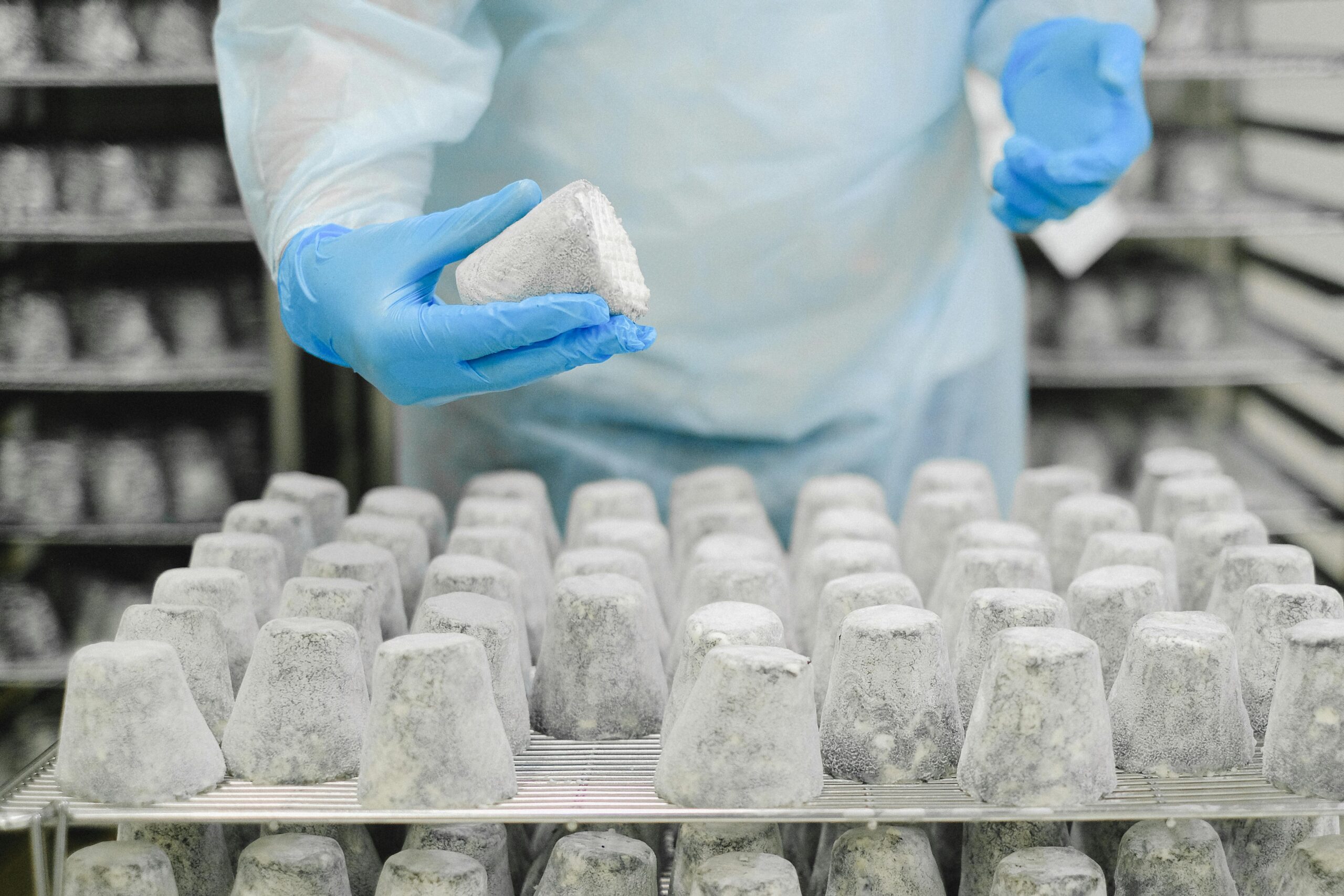
Food and beverage producers implement standardized sanitation inspections to maintain food safety and regulatory compliance. These procedures include specific criteria for cleanliness, temperature monitoring, and contamination prevention, protecting consumer health while preserving brand reputation.
Facilities Management and Real Estate
Property management companies use standardized inspection procedures during tenant turnover, routine maintenance checks, and seasonal preparations. Consistent inspections protect property values, ensure tenant safety, and provide documentation for security deposit disputes or insurance claims.
Large facility operators managing multiple locations particularly benefit from standardization. Procedures ensure the same standards apply whether a facility is in New York or California, maintaining brand consistency and meeting corporate requirements uniformly.
Aviation and Transportation Safety
Aviation maintenance relies extensively on standardized inspection procedures where consistency literally saves lives. Pre-flight checks, routine maintenance inspections, and major overhaul procedures follow detailed standardized protocols that have been refined over decades of aviation experience.
Fleet vehicle operations apply similar principles, using standardized daily vehicle inspection reports (DVIRs) to catch maintenance issues before they cause breakdowns or accidents. This proactive approach reduces downtime and extends vehicle service life.
🚀 The Future of Inspection Standardization
Emerging technologies continue reshaping how organizations approach inspection standardization. Artificial intelligence, augmented reality, and Internet of Things (IoT) sensors are creating new possibilities for inspection consistency and efficiency.
AI-Assisted Inspection Analysis
Artificial intelligence systems can now analyze inspection images, identifying defects with consistency that matches or exceeds human inspectors. These systems learn from thousands of examples, recognizing subtle patterns that indicate developing problems. AI doesn’t replace human inspectors but augments their capabilities, handling routine image analysis while humans focus on interpretation and decision-making.
Augmented Reality Guidance
Augmented reality (AR) applications overlay inspection procedures directly onto the equipment being inspected. Inspectors wearing AR glasses see step-by-step instructions, highlighting exactly which components to examine and what to look for. This technology dramatically reduces training time while ensuring procedural consistency.
Predictive Inspection Scheduling
IoT sensors continuously monitor equipment conditions, collecting data between scheduled inspections. Advanced analytics process this continuous data stream, predicting when components are likely to fail. This enables risk-based inspection scheduling, focusing inspection resources where they’re most needed rather than following rigid calendar-based schedules.
✨ Creating Your Standardization Roadmap
Organizations ready to implement or improve standardized inspection procedures should follow a structured approach that builds capability progressively while delivering quick wins that maintain momentum.
Start with high-impact, manageable scope. Identify one inspection type that occurs frequently, has clear quality implications, and currently shows inconsistency. Standardizing this single process demonstrates value quickly, building organizational support for broader implementation.
Involve stakeholders from the beginning. Inspectors, supervisors, maintenance teams, and quality managers all bring perspectives that result in more practical, effective procedures. Their involvement also creates ownership, increasing the likelihood of successful adoption.
Plan for technology thoughtfully. While digital tools offer significant advantages, successful standardization focuses first on process design. Once effective procedures are established, technology amplifies their impact. Rushing to implement technology before procedures are refined often leads to digitizing dysfunctional processes.
Measure results consistently. Establish baseline metrics before implementation, then track the same metrics afterward to demonstrate improvement. Share these results widely, celebrating successes and using setbacks as learning opportunities rather than reasons to abandon standardization efforts.
Remain patient but persistent. Cultural change takes time, and standardization represents a significant shift in how many organizations approach inspections. Consistent leadership support, ongoing communication about benefits, and recognition of teams embracing standards gradually overcome resistance and build lasting change.
Standardized inspection procedures represent more than operational efficiency—they embody organizational commitment to quality, consistency, and continuous improvement. Organizations that embrace standardization position themselves for sustainable success, building competitive advantages through reliability and excellence that competitors struggle to match. The journey toward comprehensive standardization requires investment and dedication, but the returns in quality, efficiency, and organizational capability make that investment one of the most valuable strategic decisions an organization can make.