
Training specificity is the secret weapon elite athletes and high performers use to transform ordinary effort into extraordinary results. Understanding this principle can revolutionize your approach to any goal.

🎯 What Training Specificity Really Means
Training specificity, also known as the principle of specific adaptation to imposed demands (SAID), states that your body adapts precisely to the type of stress you place upon it. If you want to become a better runner, you must run. If you aim to increase strength, you must lift weights. This seemingly simple concept holds profound implications for anyone serious about achieving peak performance.
The specificity principle extends beyond just physical training. It applies to cognitive skills, professional development, artistic pursuits, and virtually any area where improvement is desired. Your brain and body are incredibly efficient machines that allocate resources exactly where they’re needed most, based on the demands you consistently place upon them.
Many people fail to reach their potential because they engage in generic training that doesn’t align with their actual goals. They perform activities that feel productive but don’t translate into real-world performance gains. Understanding and applying training specificity eliminates this wasted effort and channels your energy precisely where it matters most.
The Science Behind Specific Adaptation
When you repeatedly perform a specific task or movement, your nervous system creates increasingly efficient neural pathways dedicated to that activity. This neuroplasticity allows you to perform the task with less conscious effort, greater accuracy, and improved speed over time.
At the muscular level, specific training recruits particular muscle fibers in precise patterns. Fast-twitch fibers respond to explosive, high-intensity work, while slow-twitch fibers develop through sustained, endurance-based activities. The metabolic systems supporting these fibers also adapt specifically—your body becomes efficient at producing energy through the pathways you use most frequently.
Research consistently demonstrates that transfer effects from non-specific training are limited. A study published in the Journal of Strength and Conditioning Research found that swimmers who added running to their training showed minimal improvement in swimming performance compared to those who simply swam more. The message is clear: specificity matters immensely.
⚡ Identifying Your True Performance Goals
Before applying training specificity, you must crystallize exactly what you want to achieve. Vague goals like “get fit” or “improve skills” provide insufficient direction for specific training design. Instead, define precise, measurable outcomes that represent your desired end state.
Ask yourself these critical questions:
- What exact skill or capacity do I need to develop?
- In what context will I demonstrate this ability?
- What are the specific physical, technical, or cognitive demands involved?
- How will I measure improvement objectively?
- What timeline am I working within?
A basketball player wanting to “improve shooting” needs greater specificity. Are you trying to increase three-point accuracy under defensive pressure? Improve free-throw consistency when fatigued? Each requires different training approaches. The more precisely you define your goal, the more specifically you can train for it.
Matching Training to Performance Demands
Once you’ve identified your goal, analyze the exact demands that goal places on you. Break down the physical, technical, tactical, and psychological components involved in peak performance for that specific objective.
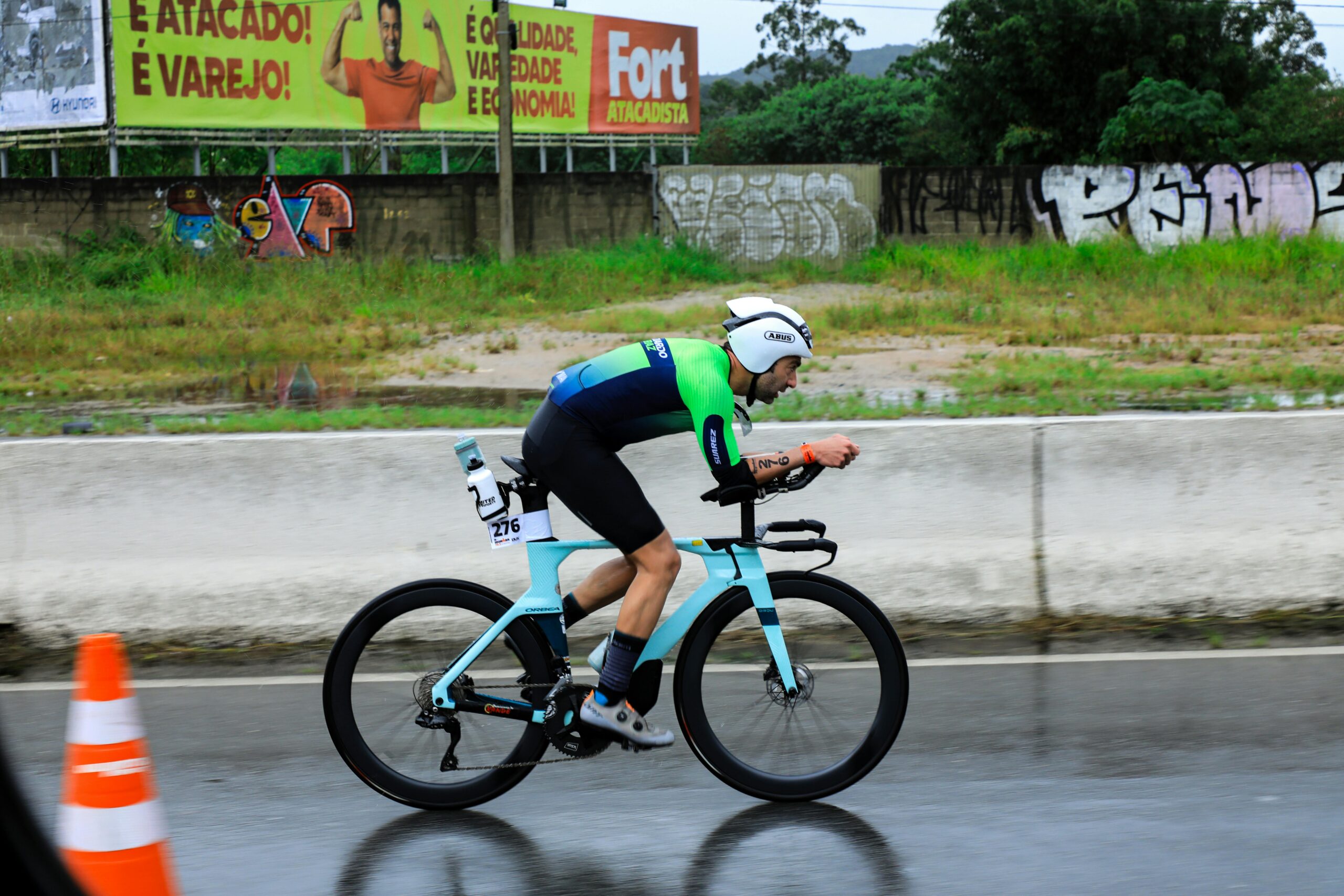
Consider a competitive cyclist preparing for a mountainous race. The performance demands include sustained power output over extended climbs, explosive acceleration for attacks, technical descending skills, and mental resilience during suffering. Training specificity requires dedicating time to each of these elements in proportions that match their importance to race performance.
Generic “cycling fitness” from flat, steady rides won’t prepare you adequately. You need hill repeats that mimic race gradients and durations. You need high-intensity intervals that replicate attack efforts. You need technical practice on actual descents. Each session should mirror some aspect of your goal performance.
🏋️ The Spectrum of Specificity
Training specificity exists on a continuum rather than as an absolute. General preparatory training builds broad capabilities and resilience. Specific preparatory training develops qualities directly related to your goal. Competition-specific training replicates the exact demands of your target performance.
Early in a training cycle, broader general preparation establishes foundational fitness and reduces injury risk. As you progress toward your performance deadline, training should become increasingly specific, eventually mimicking your goal activity as closely as possible in every relevant dimension.
This periodization of specificity ensures you develop comprehensive abilities while peaking at precisely the right time. Athletes who train with maximum specificity year-round often plateau or burn out, while those who never achieve high specificity fail to reach their potential.
Energy Systems and Metabolic Specificity
Your body produces energy through three primary systems: the phosphagen system for immediate, explosive efforts lasting seconds; the glycolytic system for high-intensity work lasting up to several minutes; and the oxidative system for sustained, lower-intensity activities. Each system adapts specifically to the training you provide.
If your goal requires sustained aerobic endurance, your training should emphasize longer efforts at moderate intensities that develop mitochondrial density, capillary networks, and oxidative enzymes. If you need explosive power, short, maximum-intensity efforts with complete recovery develop phosphagen system capacity.
Mixed-energy demands require proportional attention to each system. A middle-distance runner competing in 800-meter races needs both aerobic base and anaerobic capacity, with training time allocated accordingly. Tracking your training distribution across energy systems ensures you’re developing the metabolic profile your goal demands.
🎪 Movement Pattern Specificity
The nervous system learns specific movement patterns through repetition. Similar movements are not equivalent—your brain distinguishes between squatting, leg pressing, and jumping, even though all involve leg extension. For maximum transfer to your goal activity, practice the exact movements you’ll perform.
This principle explains why transfer from strength training to sport performance is often limited. Getting stronger in the gym helps, but the movement patterns differ from sport-specific actions. To bridge this gap, incorporate exercises that closely mimic your competitive movements, progressing toward exact replication as your performance date approaches.
Velocity specificity also matters significantly. Training at slow speeds primarily improves slow-speed strength, while explosive training develops power and rate of force development. If your goal requires quick, powerful movements, your training must include fast, dynamic efforts, not just heavy, grinding repetitions.
Psychological and Cognitive Specificity
Peak performance under pressure requires mental preparation as specific as physical training. If your goal involves competition, you must practice performing under competitive conditions. If it requires problem-solving under fatigue, you need to rehearse decision-making when physically exhausted.
Mental skills like focus, visualization, and anxiety management improve through deliberate practice in contexts similar to your performance environment. A musician preparing for auditions should practice with simulated audition pressure, perhaps recording themselves or performing for small audiences.
Cognitive specificity applies to professional and academic goals too. Studying for a multiple-choice exam requires different preparation than writing essays. Preparing a presentation demands different skills than participating in spontaneous discussions. Your preparation methods should match your performance requirements.
📊 Practical Application Framework
Implementing training specificity requires systematic planning. Use this framework to design your specific training program:
- Step 1: Define your precise performance goal with measurable criteria
- Step 2: Analyze the specific demands (physical, technical, tactical, mental)
- Step 3: Assess your current abilities relative to these demands
- Step 4: Identify the gaps between current and required performance
- Step 5: Design training activities that target each gap specifically
- Step 6: Periodize from general to specific as your deadline approaches
- Step 7: Monitor progress with specific performance indicators
- Step 8: Adjust training based on assessment results
Document your training plan with clarity about why each activity contributes to your goal. This accountability ensures every session has purpose and aligns with your specificity principle.
Common Specificity Mistakes to Avoid
Even when people understand training specificity conceptually, several common errors undermine their application of the principle. Recognizing these pitfalls helps you avoid wasted effort and frustration.
The first mistake is excessive generalization. Training that feels hard or produces fatigue isn’t necessarily specific to your goal. Generic “conditioning” workouts may improve general fitness but fail to develop the exact capacities your performance requires. Always ask whether each training element directly translates to your goal.
Another frequent error is confusing related activities with specific training. Playing recreational basketball won’t specifically prepare you for competitive marathons, despite both involving running. The demands differ fundamentally. Ensure your training activities match not just the general category but the precise requirements of your goal.
Overemphasizing weaknesses at the expense of specificity also derails progress. While addressing limitations has value, your primary training focus must remain specific to your goal demands. Allocate most resources to specific preparation, with supplementary work addressing weaknesses only as they directly limit specific performance.
🔄 Balancing Specificity with Variety
While specificity is crucial, excessive repetition of identical training can lead to overuse injuries, mental staleness, and performance plateaus. The key lies in maintaining specific training stress while introducing controlled variation.
Vary the specific training stimuli while preserving the fundamental demands. A runner preparing for a 10K race might perform tempo runs at race pace, longer intervals slightly slower than race pace, and shorter intervals faster than race pace—all specifically developing race-relevant capacities through different approaches.
Cross-training has limited value for performance specificity but offers recovery benefits and injury prevention. Low-impact activities on recovery days maintain fitness without imposing the specific stresses of your primary training. This strategic variety supports long-term consistency in specific training.
Tracking Progress with Specific Metrics
Measuring improvement requires metrics that directly reflect your goal performance. Generic measurements like body weight or total training hours provide incomplete feedback. Identify key performance indicators that represent the specific capacities you’re developing.
For a powerlifter, specific metrics include one-repetition maximums in competition lifts. For a student preparing for exams, practice test scores under timed conditions measure progress. For a salesperson, conversion rates and deal closures represent specific performance outcomes.
Regular testing of these specific metrics provides objective feedback about whether your training is working. If specific performance indicators aren’t improving despite consistent training, your approach likely lacks sufficient specificity or intensity. Use this data to refine your program continuously.
💪 Progressive Specificity Over Time
Your relationship with training specificity should evolve throughout your development. Beginners benefit from broader training that develops general capacities and explores various approaches. Intermediate performers need increasingly specific training while maintaining some variety. Advanced athletes require maximum specificity with surgical precision.
This progression mirrors skill acquisition stages. Initially, you’re learning fundamental patterns and building basic capacity. As competence grows, you refine technique and develop specific qualities. At advanced levels, tiny specific adjustments yield meaningful performance gains.
Long-term athlete development models incorporate this progression systematically. Youth programs emphasize general motor skills and broad athletic development. As athletes mature and specialize, training becomes progressively more specific to their chosen discipline, eventually reaching elite-level specificity.
Integrating Recovery into Specific Training
Recovery is not the opposite of training—it’s when adaptation actually occurs. Specific training creates the stimulus, but rest allows your body to rebuild stronger and more capable. Recovery strategies should also be specific to your training demands.
High-intensity training depleting glycolytic systems requires carbohydrate replenishment and neurological recovery. High-volume endurance training demands different recovery nutrition and rest patterns. Match your recovery protocols to the specific stresses you’re imposing.
Sleep remains the most powerful recovery tool, with quality and duration directly impacting adaptation. Nutrition timing and composition support specific training adaptations when aligned with workout types. Active recovery should maintain movement patterns without imposing significant training stress.
🎯 Turning Knowledge into Peak Performance
Understanding training specificity intellectually differs fundamentally from applying it consistently. Knowledge without disciplined implementation produces no results. Transform this principle into extraordinary performance through committed, specific action.
Begin immediately by auditing your current training against your actual goals. Eliminate activities that don’t contribute specifically to your desired outcome. Redirect that time and energy toward training that directly develops required capacities. This ruthless specificity accelerates progress dramatically.
Remember that perfect specificity isn’t always possible or desirable, especially early in development. The goal is optimization, not perfection. Continuously refine your training to become more specific as you advance toward your performance deadline.
Peak performance emerges from the accumulation of specific adaptations over time. Each training session should leave you marginally better prepared for your exact goal. This consistency, maintained across weeks and months, compounds into transformative results that generic training could never produce.
The power of training specificity lies in its elegant simplicity: train exactly as you intend to perform, and your body will adapt accordingly. Master this principle, apply it with discipline and intelligence, and watch your goals transform from distant aspirations into accomplished realities. Your potential awaits—unlock it through the focused power of specific training.